
Capturing and automating engineering rules to drive revenue
Engineering teams hold a wealth of design knowledge. From sizing rules to pricing logic and manufacturing constraints, engineering knowledge is critically important for manufacturers of custom products. However, in many businesses, this type of knowledge is saved in spreadsheets, emails, or in the heads of experienced engineers. As products become increasingly customized, this can lead to bottlenecks and errors. Additionally, when experienced engineers leave, knowledge can disappear. This is often referred to as “brain drain” and is a key challenge when combined with the growing skills gap in the manufacturing industry.
Successful manufacturers are turning engineering rules into revenue by capturing and automating knowledge to generate faster quotes, deliver customized products at scale, and preserve valuable engineering know-how.
What are engineering rules?
Engineering rules are the logic behind how products are designed and configured. They often represent many years of engineering experience.
Examples of engineering rules for custom products:
- Product specs
- Product compatibility constraints
- Sizing calculations
- Material selections
- BOM logic
- Pricing dependencies
- Quality requirements
- Safety regulations
From engineering knowledge to digital engineering rules
Manufacturers are capturing engineering knowledge and converting it into digital rules. This means taking knowledge from spreadsheets, emails, product catalogues, and the heads of engineers and turning it into a digitally documented set of rules.
This involves:
- Capturing engineering know-how and expertise
- Structuring it as configurable rules
- Embedding rules into automated workflows
- Connecting workflows between sales, engineering, and production teams.
Using engineering rules to power design automation and CPQ
Design automation and CPQ use design rules to streamline design and configuration processes.
Design automation enables:
- Automatic creation of models, drawings, and assemblies
- Automatic BOM generation
- Manufacturing-ready documentation
CPQ enables:
- Accurate pricing
- Instant quote generation
- Guided product configuration
How engineering rules turn into revenue
When engineering knowledge is captured as automated engineering rules, revenue increases because:
- More deals are won
- More complex products are sold
- Engineers have more time to focus on innovation
- Margins are higher
- Engineering expertise is protected
1. More deals won

Design automation and CPQ enable faster quote turnaround, often in minutes, rather than days.
Faster quote response times lead to increased sales. This is due to several factors, including faster response than competitors, fewer customer objections, and improved customer confidence.
2. Sell more complex products
Guided selling tools use engineering rules to help sales teams and customers easily configure complex custom products.
Product and pricing options are presented from a set of pre-determined rules so teams don’t need to memorize extensive product knowledge. The rules-based intelligence used in guided selling tools makes it easier for sales teams to configure complex custom products.
3. Engineers focus on innovation

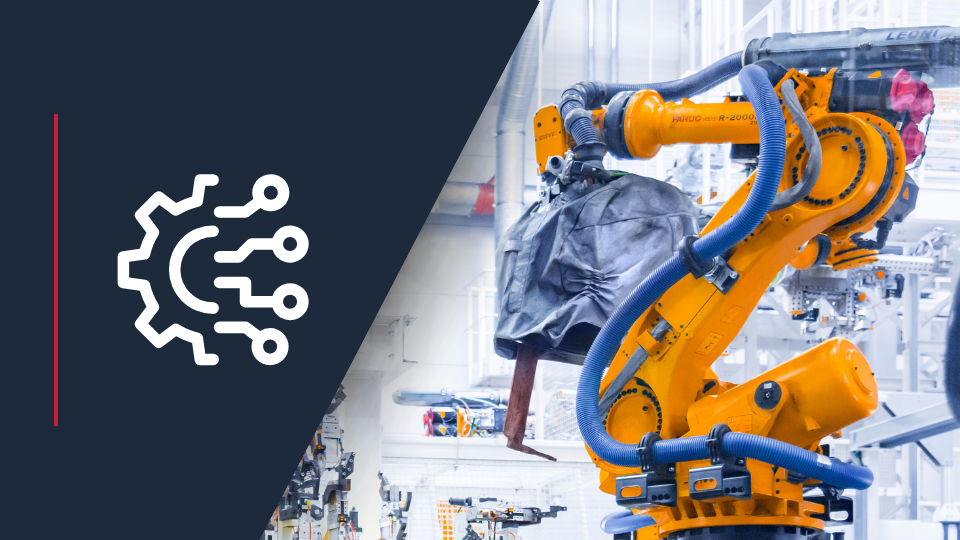
By automating repetitive manual engineering tasks, design automation technology frees engineers to focus on new product design and creative problem-solving.
This can help foster a culture of innovation and improve speed-to-market for new product launches.
4. Higher margins
Rules-based logic ensures that only valid, manufacturable products are quoted and designed, reducing costly errors, rework, and waste.
Rules-based guided selling also makes it easier for sales teams to identify and offer cross-sell and up-sell opportunities to increase average sales values.

5. Knowledge is protected
Capturing engineering knowledge as digitized rules protects manufacturers from “brain drain”.
It preserves expertise, reduces dependencies on individual engineers, speeds up the onboarding process for new engineers, and ensures consistency across engineering teams in different locations.
Start turning your rules into revenue with a 30-day free trial of DriveWorks Solo
DriveWorks Solo sits in the SOLIDWORKS task pane, enabling engineers to configure custom products and automatically generate order-specific SOLIDWORKS parts, assemblies, and drawings. It uses rules-based logic based on engineering knowledge, enabling engineers to capture detailed design know-how for a wide range of product variables.
A free 30-day trial of DriveWorks Solo comes with instant access to a full feature trial, learning resources, and the opportunity to discuss your implementation with a DriveWorks technical expert. You don’t need to provide credit card details to start your free trial.